
For years, randomized “loot boxes”—virtual prize crates offering unpredictable rewards—dominated mobile game monetization. However, the mobile gaming landscape is undergoing a massive structural shift. Today, developers and players alike are leaving random reward mechanics behind in favor of the Battle Pass: a transparent, progression-based subscription model that rewards players for time spent in-game rather than luck.
The Decline of the Loot Box
Loot boxes achieved massive commercial success in early mobile titles, but their reliance on random chance ultimately led to widespread player frustration. This fatigue was driven by three primary factors:
- Lack of Transparency: Players spent real money without any guarantee of acquiring the specific character, item, or skin they wanted.
- Pay-to-Win Dynamics: In competitive titles, locking powerful gear or gameplay advantages behind randomized crates created an unfair advantage for high-spending players (“whales”).
- Global Regulatory Pressure: Governments worldwide began investigating loot boxes, with several nations classifying them as a form of unregulated gambling or requiring developers to publicly disclose exact drop rates.
Facing declining player trust and increasing legal scrutiny, mobile studios recognized the need for a monetization model that prioritized fairness, predictability, and long-term retention.
How the Battle Pass Model Works
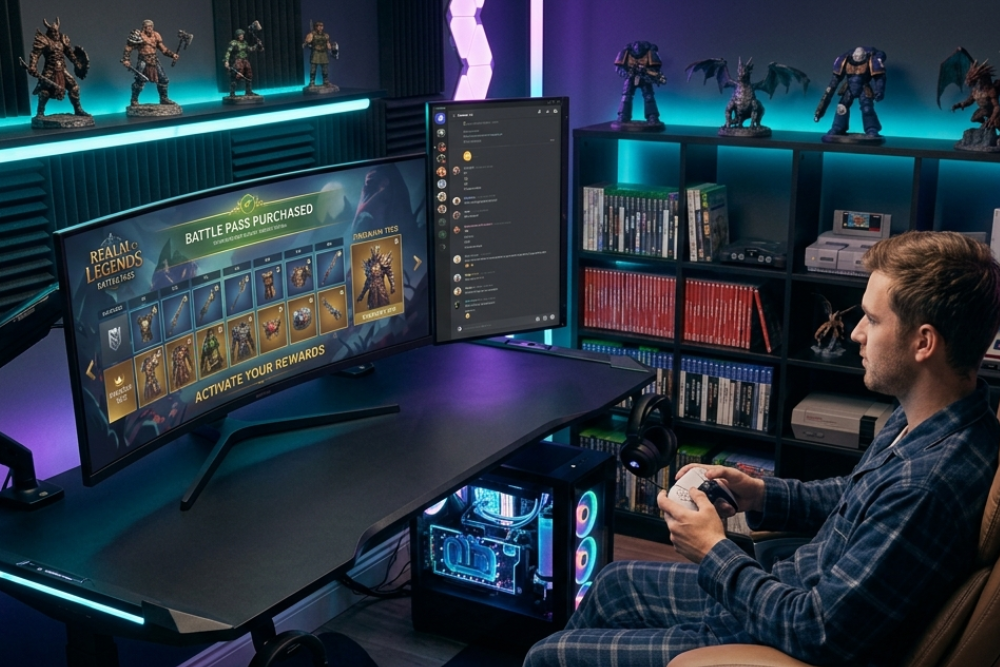
Unlike loot boxes, which rely on instant, randomized gratification, the Battle Pass operates on a clear, time-based progression system. Players purchase a seasonal pass (or access a free tier) that unlocks a tiered track of rewards, such as cosmetic items, in-game currency, and character customizations.
To unlock these items, players must complete daily challenges, achieve match milestones, or accumulate experience points during a active season, which typically lasts between one and three months.
Why Players Prefer Battle Passes
The fundamental appeal of the Battle Pass lies in transparency and agency. When players buy a Battle Pass, they can preview every single reward available across all tiers before spending money.
- Guaranteed Value: Players know precisely what they are working toward, eliminating the disappointment of duplicate or useless items.
- Rewarding Time and Skill: The system rewards active engagement. Achieving the final, most prestigious tier feels like an earned milestone rather than a lucky roll of the dice.
- Fair Play Environment: Most modern Battle Passes offer purely cosmetic or convenience-focused rewards, ensuring that paying players do not gain an unfair mechanical advantage over free-to-play users.
Why Developers Are Making the Switch
While loot boxes generated high short-term revenue from a small percentage of big spenders, Battle Passes deliver sustainable, long-term player retention.
- Predictable Recurring Revenue: Seasonal Battle Passes create a steady, predictable cash flow as dedicated players renew their passes with every new season.
- Higher Player Retention: By tying rewards to daily and weekly quest lines, Battle Passes give casual and core gamers alike a daily reason to log in, keeping active player populations healthy.
- Broader Audience Appeal: Because Battle Passes offer clear value, a much higher percentage of the overall player base is willing to make small, seasonal purchases compared to those willing to buy randomized crates.
The Future of Mobile Game Monetization
The replacement of loot boxes by Battle Passes represents a maturity shift in mobile gaming design. By aligning player satisfaction with developer revenue, Battle Passes have proven that transparent, merit-based reward systems build healthier gaming communities while maintaining strong financial success.