Esports has become one of the fastest-growing entertainment industries in the world, but one area is expanding even faster than many expected: mobile esports. While console gaming still has a massive global audience, competitive mobile gaming is rapidly attracting millions of players, viewers, and tournament organizers across multiple regions. From Southeast Asia to South America, mobile esports is becoming more accessible, affordable, and mainstream than traditional console-based competition.
Smartphones Made Competitive Gaming More Accessible
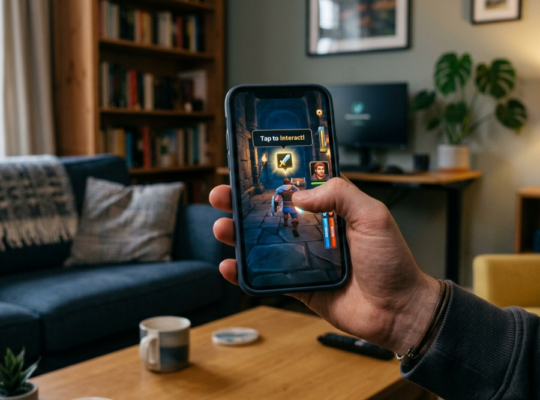
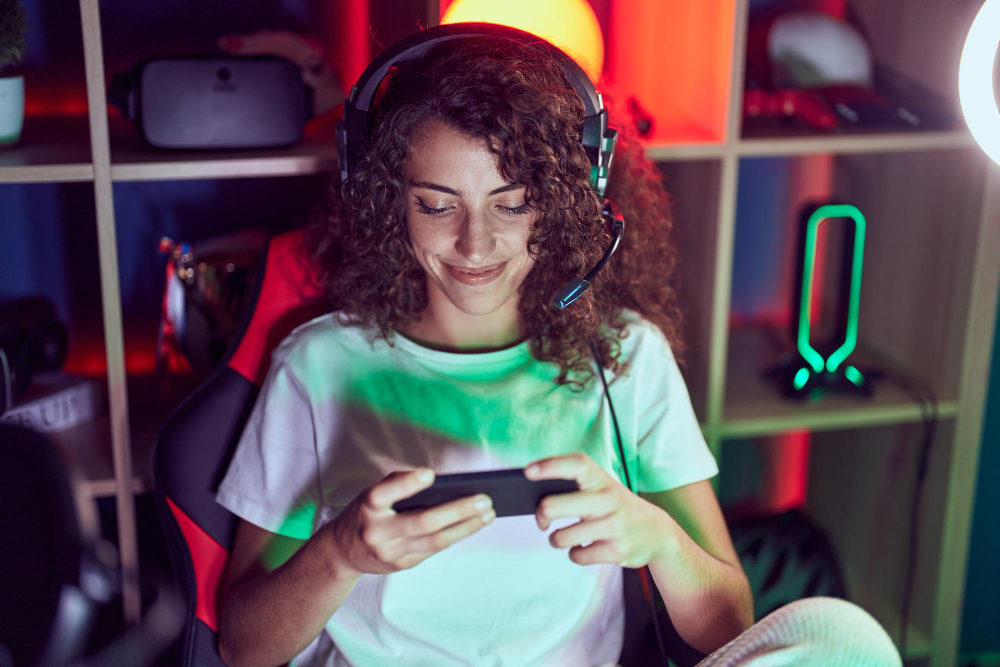
One of the biggest reasons mobile esports is growing so quickly is accessibility. Almost everyone owns a smartphone, but not everyone can afford a gaming console or high-end PC. Mobile games eliminate major entry barriers by allowing players to compete using devices they already own. This has opened esports to entirely new audiences around the world, especially in developing markets where gaming consoles remain expensive. Players no longer need costly hardware setups to participate in competitive gaming. With a decent smartphone and stable internet connection, anyone can join online tournaments or ranked matches from almost anywhere.
To Know More:- How Discord Became Essential for Gamers
Free-to-Play Games Help Mobile Esports Expand
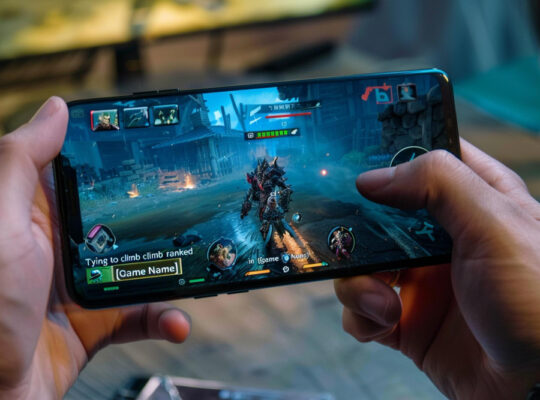
Many of the world’s biggest mobile esports titles are free-to-play, which further increases accessibility. Games like Mobile Legends, PUBG Mobile, Free Fire, and Call of Duty: Mobile have built enormous competitive communities because players can start without spending money upfront.
These games also receive constant updates, seasonal content, and live events that keep players engaged long-term. Competitive rankings, team-based gameplay, and social features help create highly active communities around mobile esports ecosystems. This constant engagement keeps mobile gaming audiences growing year after year.
Competitive Platforms Are Supporting Growth
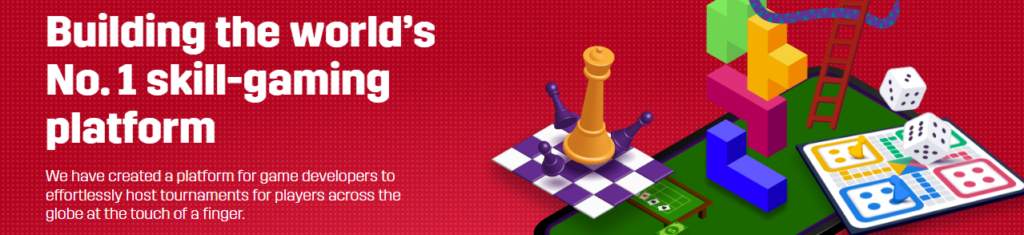
The rise of esports-focused gaming platforms has also helped mobile competition become more organized and mainstream. Platforms like MPL have created tournament ecosystems where casual and competitive players can participate in skill-based gaming experiences directly from their phones.
These platforms make esports feel more approachable for everyday users while also helping mobile gaming communities grow rapidly. As mobile gaming becomes more socially connected, organized competitions are becoming easier to access globally. This structure is helping mobile esports evolve from casual entertainment into a more serious competitive space.
Streaming and Social Media Are Fueling Popularity
Mobile esports benefits heavily from modern streaming culture. Watching competitive matches, highlights, and creators on platforms like YouTube and TikTok has become a major part of gaming entertainment. Mobile games are especially easy to stream because they are fast-paced, visually engaging, and accessible to wide audiences. Many younger gamers discover competitive titles through creators and influencers before they ever play the games themselves. This constant exposure helps mobile esports spread quickly across international audiences.
To Know More:- Why Competitive Gaming Is Now a Career Option
Console Gaming Still Matters, But Mobile Is Growing Faster
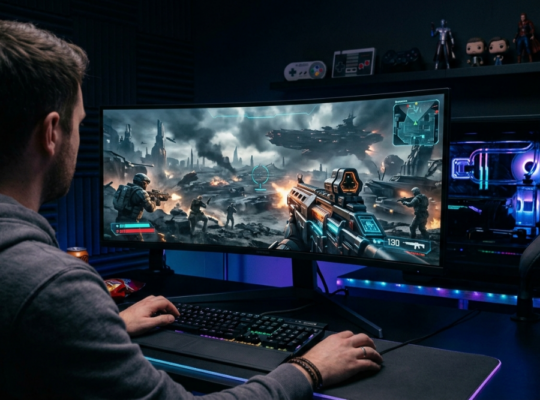
Console gaming remains hugely important in the esports world, especially for titles like FIFA, Fortnite, and fighting games. However, mobile esports is growing faster because it reaches larger audiences more easily. Smartphones are already deeply integrated into daily life, making mobile gaming naturally more convenient and globally scalable. For millions of players, mobile gaming is their first introduction to competitive esports.
As internet infrastructure and smartphone technology continue improving worldwide, mobile esports will likely keep expanding at an even faster pace. What was once seen as casual gaming is now becoming one of the biggest forces shaping the future of competitive entertainment.