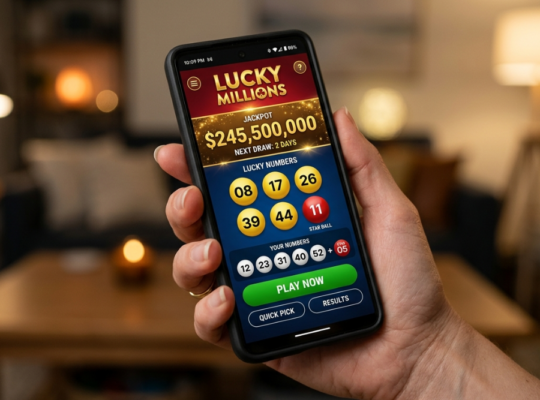

In today’s digital world, attention is one of the most valuable resources online. Social media platforms, streaming services, and gaming apps are all competing for the same thing: people’s time. Among these industries, mobile gaming companies have become some of the biggest winners in the global attention economy. With billions of smartphone users worldwide, mobile-first gaming companies are finding smarter ways to attract, engage, and retain players for longer periods than ever before.
To Know More:- Mobile-First Gaming Companies
Why Mobile Gaming Has Become So Powerful
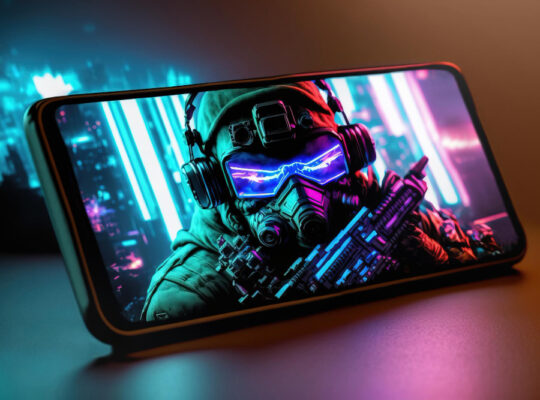
The biggest advantage mobile gaming companies have is accessibility. Unlike console or PC gaming, mobile games are available almost everywhere. People can play during commutes, lunch breaks, travel, or while relaxing at home. This convenience has helped mobile gaming grow into one of the largest sectors in the entertainment industry. Mobile games no longer target only casual audiences either. Today’s games include competitive multiplayer titles, RPGs, strategy games, and highly social experiences that keep players engaged daily.
Short Sessions, Long-Term Engagement
One reason mobile-first gaming companies succeed in the attention economy is because they understand user behavior extremely well. Many games are designed around short but frequent sessions, encouraging players to return multiple times throughout the day. Daily rewards, seasonal events, limited-time challenges, progression systems, and social features all help maintain long-term engagement. These mechanics create routines that keep players connected to games consistently without requiring hours of uninterrupted gameplay. Companies are also investing heavily in live-service models, constantly updating games with new content to keep communities active.
Data and Personalization Drive Growth
Modern mobile gaming companies rely heavily on analytics and player behavior data. By studying how users interact with games, developers can improve retention, personalize experiences, and optimize content updates.
Nexters have built successful mobile gaming ecosystems by focusing on long-term player engagement and evolving live-service experiences. Instead of treating games as one-time products, many mobile-first companies now approach them as ongoing digital platforms designed to grow with their audiences over time. This strategy helps games stay relevant in an industry where player attention shifts quickly.

Social Features Keep Players Connected
Gaming today is increasingly social. Mobile-first companies understand that players often stay engaged longer when games create communities and shared experiences. Features like guilds, multiplayer modes, in-game chats, leaderboards, and cooperative events help transform games into social spaces rather than isolated experiences. Many mobile games now feel closer to social networks than traditional standalone games. This social connectivity increases player loyalty and encourages users to keep returning regularly.
To Know More:- Top Esports Teams Dominating Competitive Gaming
The Future of the Attention Economy in Gaming
As competition for digital attention continues growing, mobile gaming companies will likely become even more sophisticated in how they engage audiences. Artificial intelligence, cloud gaming, personalized recommendations, and cross-platform experiences are already shaping the next phase of mobile gaming.
What makes mobile-first gaming companies especially successful is their ability to combine entertainment, accessibility, and community into experiences that fit seamlessly into daily life. In a world where every platform is fighting for user attention, mobile gaming companies are proving that convenience, engagement, and constant evolution can be a winning formula.