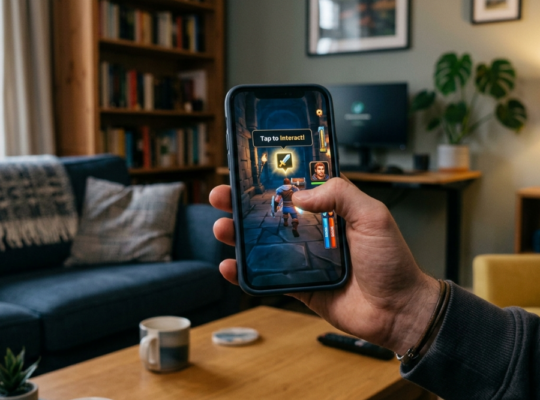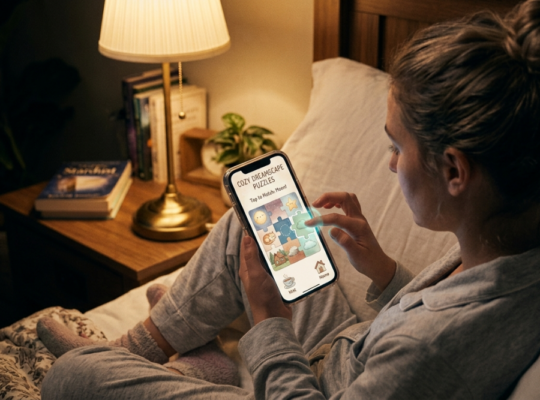


For decades, mainstream video games were primarily defined by high-intensity mechanics. Victory meant reflex-heavy gunfights, tight platforming timers, or competitive leaderboards that often left players with elevated heart rates and sweaty palms. Today, a massive vibe shift is transforming digital entertainment: players are increasingly putting down high-stress competitive titles and picking up virtual watering cans.
Welcome to the era of cozy games—a genre built on low-stakes progression, non-violent world-building, and soothing aesthetics. What was once considered a niche subculture dominated by titles like Animal Crossing and Stardew Valley has exploded into a global phenomenon.
Low-Stakes Mechanics and Zero Penalty
The defining characteristic of a cozy game is its refusal to punish the player. Traditional titles enforce game-over screens, loss of inventory, or public rank demotions when you make a mistake. Cozy games completely strip away those fear-inducing consequences.
- No Time Constraints: Quests don’t expire, crops won’t rot if you leave for a week, and day-night cycles serve as atmospheric background art rather than an urgent deadline.
- Absence of Fail States: You cannot “lose” at decorating a house, designing a village, or managing a quiet seaside cafe.
- Self-Paced Play: Players choose whether they want to spend their session organizing inventory, fishing, or simply exploring a lush forest at their own speed.
This absence of friction creates an environment where failure simply doesn’t exist, eliminating the performance anxiety associated with modern gaming.
Autonomy and the “Digital Reset”
Modern life is fast, unpredictable, and frequently overstimulating. For many, cozy gaming acts as an intentional emotional reset—a form of active mindfulness.
When the real world feels chaotic, organized digital spaces offer a soothing sense of agency. Completing a light checklist—like arranging virtual furniture, organizing crops, or restoring a rundown farm—provides immediate, predictable satisfaction. It satisfies our innate human craving for productivity and order without imposing any real-world burden or exhaustion.
Soothing Visuals and Ambient Soundscapes
Cozy games rely heavily on intentional sensory design to induce calm:
- Soft Color Palettes: Pastel tones, warm lighting, and gentle watercolor landscapes replace harsh neon effects and chaotic action sequences.
- Acoustic and Lo-Fi Audio: Soundtracks feature acoustic guitars, soft piano melodies, dynamic rain soundscapes, or ambient lo-fi beats designed to lower anxiety.
- Tactile Satisfactions: Subtle audio cues—like the crunch of autumn leaves, the gentle pop of a fishing float, or soft footsteps on wood—trigger mild ASMR-like responses that keep players grounded.
Inclusive, Safe Gaming Communities
Beyond the solo gameplay loop, cozy games have reshaped gaming culture at large. Competitive multiplayer environments are notoriously prone to toxicity, but cozy titles foster welcoming, collaborative online spaces. Players connect across forums and social platforms to swap layout inspiration, trade virtual items, and share cozy fan art in an environment built around empathy and mutual support.
A Mindful Future for Gaming
As screen time increases and daily life grows more demanding, players aren’t turning to video games just to test their reaction times—they are seeking sanctuary. Cozy games prove that digital spaces can be healing, thoughtful, and restorative. By shifting the focus from winning to simply being, this genre has permanently redefined what it means to press “Start.”