Sports betting has already moved well beyond simply picking who will win a match. Today, bettors can follow player statistics, place bets while a game is underway, and explore markets built around individual moments.
By 2027, that shift could become even more noticeable. Several formats already gaining traction in 2026 offer a glimpse of what the next generation of sports betting could look like.
- Micro-Betting Could Get Even Smaller
One of the biggest trends to watch is micro-betting, markets built around short moments within a match rather than its final result. Instead of betting on who wins a football game, for example, a market might focus on what happens during the next few minutes or the outcome of a specific play. Sportradar already describes player and micro markets as important developments in sports betting, while its current offerings include markets around individual events in golf and real-time UFC statistics. By 2027, expect more sports and more granular events to potentially enter this space.
- Player-Focused Betting May Take Centre Stage
Team-based betting has traditionally dominated sportsbooks, but player markets are becoming increasingly sophisticated. Think goals, assists, shots, rebounds, strike rates, or other individual statistics. Instead of simply asking, “Who will win?”, these markets let fans follow a particular athlete throughout a game. This fits naturally with how many fans consume sport today. They follow individual players on social media, track statistics, and watch highlight clips almost as closely as they watch entire matches.
- Live Betting Could Become More Interactive
Live or in-play betting isn’t new, but the technology supporting it is changing quickly. Real-time data, automated insights, live visualisations and faster feeds are making it possible for sportsbooks to present more information while an event is happening. Current products already include features such as 3D shot tracking and live player analytics. The result could be a more dynamic experience in 2027, where markets react almost instantly to what is happening on the field. Of course, that also makes understanding odds and setting personal limits particularly important.
- Prediction Markets Could Enter the Conversation
Another format worth watching is event-based prediction markets. These platforms use contracts linked to the outcome of events, including sporting events. Regulators are already examining how these emerging products fit within existing gambling frameworks, particularly in the United States and other markets. Whether prediction markets become a mainstream sports-betting format will depend heavily on regulation in individual countries.
- Mobile-First Experiences Will Keep Growing
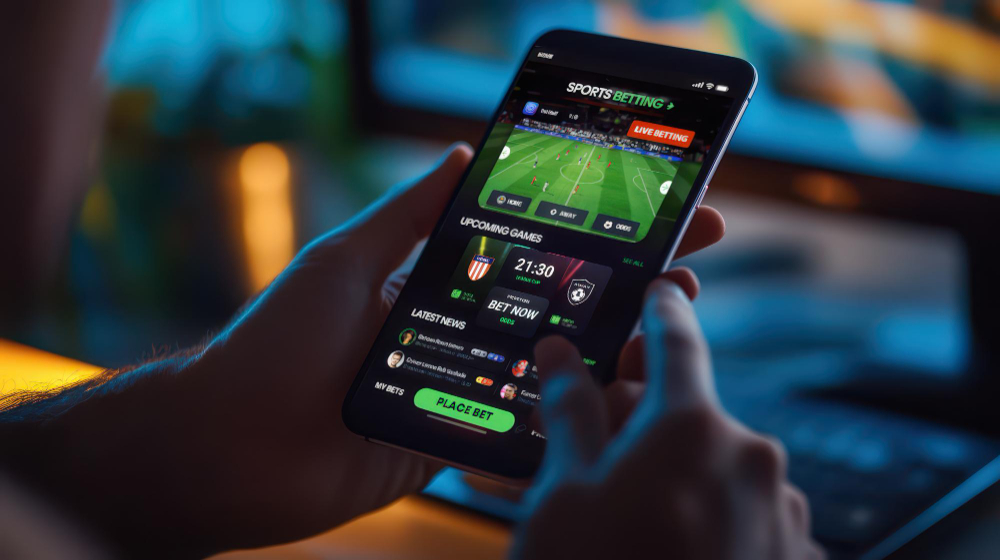
Sports betting is increasingly designed around the smartphone. That means future formats need to work quickly and clearly on smaller screens. This is an area where iGaming companies such as Spribe have already focused heavily on mobile-first experiences. Its games, including Aviator, are designed for mobile, tablet, and desktop, with lightweight technology intended to work across different devices and connectivity conditions.
While Spribe is primarily an iGaming company rather than a traditional sportsbook, its approach illustrates a broader industry trend: simple interfaces, fast interactions, and mobile accessibility are becoming central to digital gaming experiences.

What Could Sports Betting Look Like in 2027?
The likely direction is not one completely new type of bet, but more choice and more real-time interaction. Players could see:
- More micro markets
- Deeper player statistics
- Faster in-play markets
- More visual live data
- Greater use of AI-powered analysis
- New prediction-market formats, depending on local regulation
However, availability will vary significantly by country because gambling laws differ between jurisdictions. Regulators are also paying increasing attention to how new digital products affect consumers and how technology can support player protection.
The biggest change by 2027 may therefore be simple: sports betting could become less about predicting the final score and more about following the action, one moment at a time.