
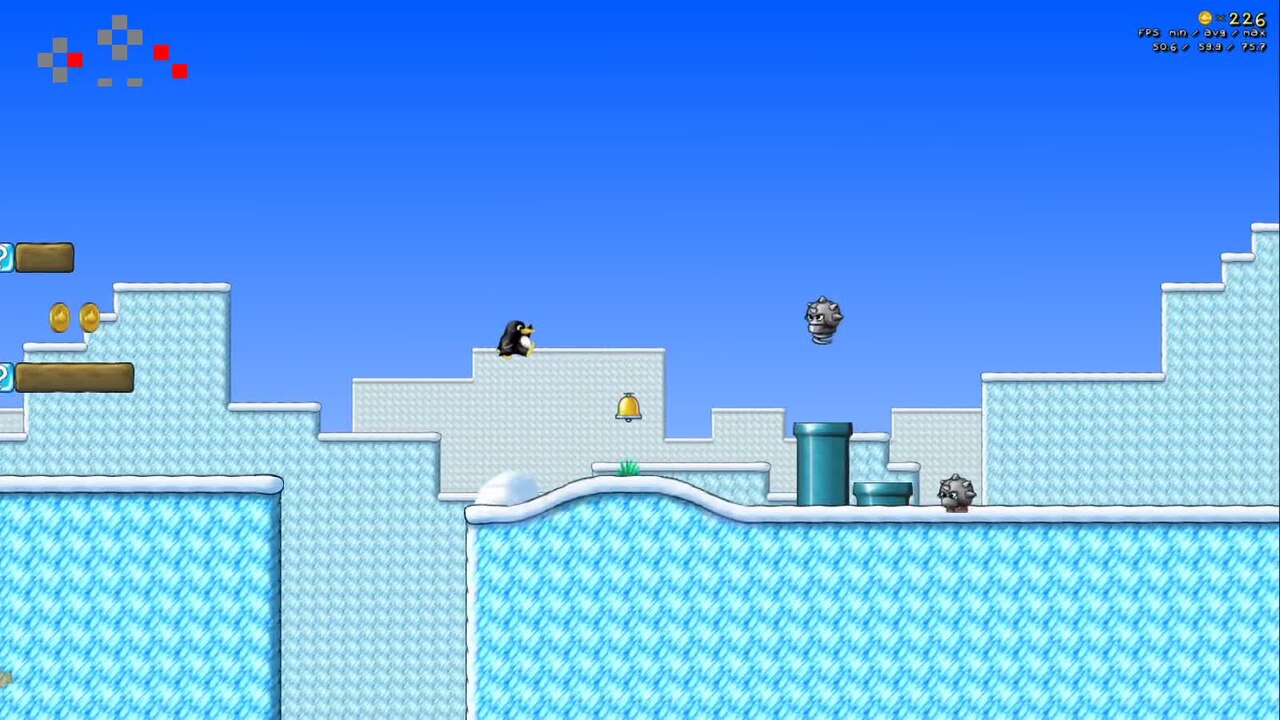
If you grew up playing video games, your objective was usually simple: beat the final boss, save the world, and watch the end credits roll. However, a massive global subculture has completely flipped traditional gaming on its head. Welcome to the world of speedrunning—the practice of completing a video game as fast as humanly possible.
What began in the late 1990s as a niche hobby shared on low-resolution internet forums has exploded into a mainstream digital phenomenon. Today, speedrunning events draw millions of live viewers, raise tens of millions of dollars for charity, and command hyper-dedicated online communities. But why has beating games at lightning speed suddenly captivated the gaming world?
The Thrill of Breaking the Rules
At its core, speedrunning is an art form driven by human curiosity and technical obsession. Speedrunners aren’t just playing games fast; they are systematically deconstructing them.
- Glitch Hunting: Players spend thousands of hours exploiting coding oversights to clip through solid walls, manipulate memory registers, or trigger skips that bypass major portions of a game.
- Pixel-Perfect Mastery: In “Glitchless” categories, the appeal lies in absolute, flawless mechanical execution—performing thousands of precise controller inputs without making a single frame of error.
Watching a runner bypass twenty hours of gameplay in under fifteen minutes feels like watching a high-stakes magician reveal a trick. It transforms familiar, beloved titles into chaotic, high-speed puzzles that defy the original developers’ design.
The Live Streaming Revolution
Speedrunning and live streaming platforms evolved hand-in-hand. Decades ago, runners had to record their gameplay on physical media, upload compressed video clips to early web servers, and wait days for peer verification on static forums.
Live streaming changed everything:
- Real-Time Drama: Viewers can watch world-record attempts unfold live, experiencing the heart-pounding tension of a runner being milliseconds ahead of a global record with only one level remaining.
- Interactive Learning: Streams allow viewers to ask technical questions in real time, turning complex game physics and strategies into interactive, educational entertainment.
- Community Validation: Instant chat reactions convert solitary grinding into a collective spectator sport.
Marathons and the Power of Charity
Nothing has propelled speedrunning into the cultural spotlight quite like bi-annual community marathons. Events like Games Done Quick (GDQ) bring together hundreds of runners in person for week-long, non-stop gaming broadcasts.
These marathons have transformed what was once perceived as a solitary, obsessive pastime into a massive force for good. By blending expert commentary, couch humor, and accessible explanations of complex skips, these events have raised tens of millions of dollars for global medical charities and disaster relief funds. They prove that the speedrunning community isn’t just fast—it’s remarkably generous and united.
Nostalgia Meets Modern Game Design
Speedrunning bridges generations. Older gamers tune in to watch classic titles from their childhood—like Super Mario Bros. or The Legend of Zelda—demolished in ways they never imagined possible on their living room floor. At the same time, modern indie developers actively design new games with built-in speedrunning tools, high-precision timers, and instant-restart hotkeys, fully embracing the culture.
The Human Spirit of Optimization
Ultimately, speedrunning resonates so deeply because it celebrates the absolute limits of human perseverance. It takes extraordinary discipline to spend months practicing a single three-second trick just to shave a fraction of a second off a personal best. Whether you are competing on global leaderboards or dropping into a late-night stream as a casual viewer, speedrunning offers pure, unadulterated passion—driven by a community that simply loves pushing boundaries.