
Not long ago, competitive gaming was seen mainly as a hobby. Professional gamers were often viewed as exceptions rather than serious athletes or entertainers. But over the past decade, esports has transformed into a global industry worth billions, creating career opportunities that extend far beyond simply playing games. Today, competitive gaming is no longer just entertainment, it has become a legitimate career path.
The Rise of the Global Esports Industry
Esports has grown rapidly thanks to streaming platforms, international tournaments, and the increasing popularity of multiplayer games. Competitive titles like Valorant, League of Legends, Counter-Strike, Fortnite, and Dota 2 now attract millions of viewers globally.
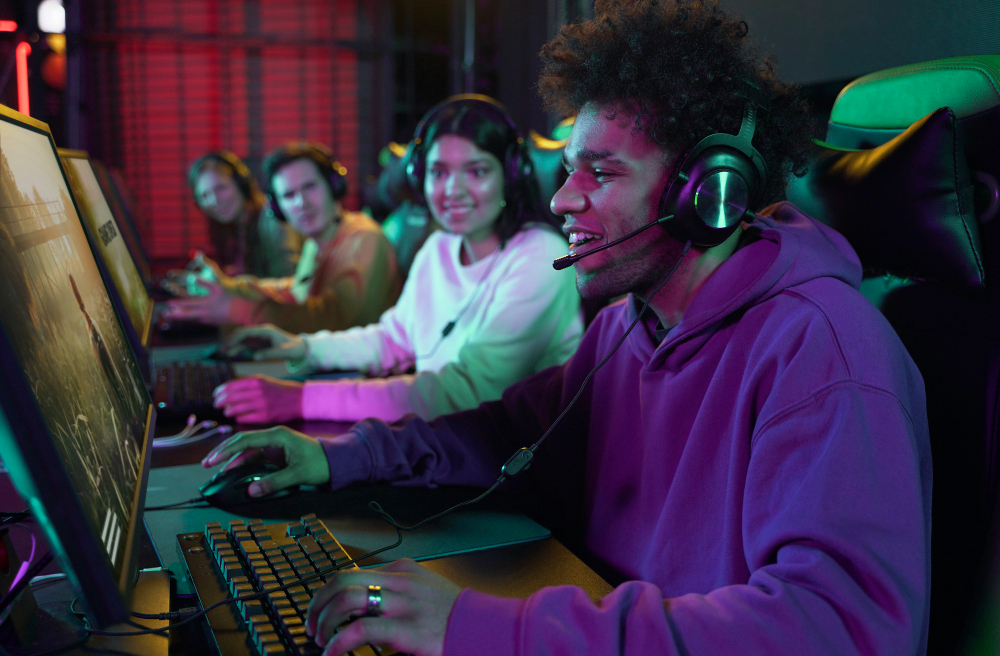
Large tournaments fill arenas, generate huge online audiences, and offer prize pools worth millions of dollars. Professional gaming organizations now operate similarly to traditional sports teams, complete with coaches, analysts, sponsorships, training facilities, and media teams. This level of growth has helped esports gain mainstream recognition worldwide.
To know More:- Games Like GTA for Mobile Users
Players Can Earn Through Multiple Income Streams
One reason competitive gaming has become a realistic career option is because players are no longer limited to tournament winnings alone. Professional gamers can earn income through sponsorship deals, streaming, content creation, brand partnerships, subscriptions, and social media platforms. Many esports players build personal brands that continue generating income even outside competitive events. Streaming platforms like Twitch and YouTube have made it easier for gamers to turn their skills and personalities into full-time careers. Some players may never win major tournaments but still build successful careers through community engagement and content creation.
Gaming Hardware Is Supporting Competitive Growth
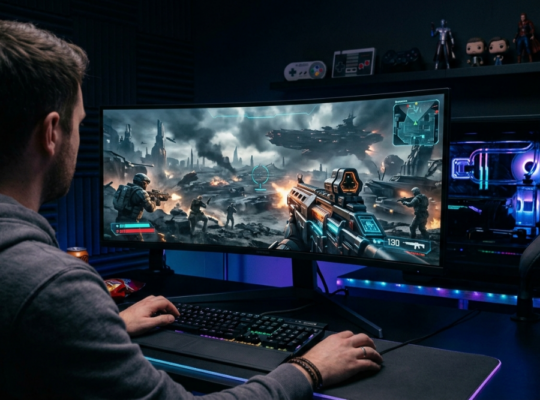
As esports becomes more professional, gaming hardware has also evolved to support serious competition. High refresh rate displays, low-latency peripherals, and powerful gaming laptops now play an important role in competitive performance.
ASUS ROG have become closely connected with esports culture by developing gaming-focused hardware designed for professional and aspiring players alike. Reliable performance, cooling systems, and fast response times are increasingly important for gamers competing at high levels. For many competitive players, having the right setup is now considered part of professional preparation.

Career Opportunities Beyond Playing
One of the biggest misconceptions about esports is that only pro players can build careers in the industry. In reality, competitive gaming has created opportunities across multiple fields. Today’s esports ecosystem includes event organizers, commentators, coaches, graphic designers, marketers, social media managers, video editors, broadcasters, and game analysts. Universities in several countries now even offer esports-related programs and scholarships. But as the industry grows, so does the demand for skilled professionals who understand gaming culture and digital entertainment.
To Know More:- Best Strategy Mobile Games for Competitive Thinkers
Competitive Gaming Is Becoming Mainstream
The stigma surrounding gaming careers has changed dramatically. Major brands, sports organizations, and investors are now actively involved in esports, helping the industry gain credibility worldwide. Younger audiences especially view gaming differently than previous generations. For many people, gaming is not just a pastime, it is part of culture, entertainment, and digital identity.
While becoming a professional gamer still requires dedication, discipline, and talent, the path is far more realistic today than it was a decade ago. Competitive gaming has evolved into a global industry where passion, skill, and content creation can genuinely turn into long-term career opportunities.